Starting your own fitness classes – all you need to know
From qualifications to insurance and promo – here's all you need to know about becoming a fitness class instructor.
Share
Whether you’re a yogi, gym buff, dance-fit devotee, or CrossFit fanatic, starting your own fitness classes could be a perfect career move.
But where to start? Do you need qualifications, insurance, or to set up an official business? What about permits, pricing, and venues? How do you go about getting your first clients?
Don’t panic – we cover everything you need to know in this guide. Let’s go! 🏃♀️
Do you need qualifications to start a fitness class?
In countries like the UK and USA, there generally aren’t strict legal regulations around calling yourself a fitness instructor, yoga teacher, or personal trainer. But – relying on experience alone can make it much harder to attract clients, access insurance, or get hired by gyms, studios, or community venues.
For group fitness, many UK instructors choose an Ofqual-recognised Level 2 Fitness Instructor / Group Exercise qualification, while specialist disciplines (like yoga) often have their own structured teacher-training pathways. Having a recognised qualification also allows you to join respected professional bodies such as Yoga Alliance Professionals or CIMSPA, which boosts credibility and can be required for certain types of insurance.
A good place to start is your government’s website or trusted, accredited training providers. A quick online search will show lots of options – just check that any professional bodies you want to join recognise your chosen course before you sign up.
To choose a fitness class venue or location, you’ll need to figure out if you need any permissions (or have to pay). It’s also important to think about what kind of surroundings suit the type of class you want to teach.
Here are some popular options:
Village hall or other council venue – enquire with your local council to see if they have any suitable spaces.
Gym or studio – get in touch with local facilities to see if they’re open to hosting your class.
Your own home or garden – perfectly possible, but make sure you have the right insurance.
A park – you can often run classes in the park with council permission (see permits section below).
Online – lots of instructors run hybrid schedules with some sessions online and others in person.
What permits you might need for your fitness classes
Whether you need permits depends on where and how you plan to run your classes. Here’s a quick overview:
Public parks or outdoor spaces: In many areas, you’ll need permission or a license from the local council to run fitness classes outdoors, especially if you’re charging. Check your local authority’s website for “fitness permits” or “park activity licenses.”
Community centers, halls, or council buildings: These venues normally handle their own licensing, but you’ll need to book the space and comply with any safety or capacity rules.
Your home or garden: You don’t usually need a permit, but you will need appropriate insurance, and you may want to check local guidelines if you live in rented accommodation or a property with restrictions.
Gyms or studios: If a gym hosts your class, they usually handle permits – but will likely require proof of qualification and insurance.
Online classes: No permits required – just a reliable platform (Zoom, YouTube Live, Facebook Live, etc.) and good streaming setup.
Always double-check local guidelines so you’re operating smoothly and legally.
Setting up your fitness class as a business
Anyone starting their own classes needs to choose a business structure – but don’t worry, it’s not as complicated as it sounds.
The two most common options are:
Sole trader – You and your business are one and the same. This is the simpler option.
Limited company – Your business becomes a separate legal entity.
Here’s a quick breakdown of the key differences between the two:
Tax
As a sole trader, you submit a Self Assessment tax return once a year.
If you earn under your country’s small-trader allowance (e.g. under £1,000 in the UK), you may not need to register immediately.
A limited company involves more paperwork (like annual accounts and company tax returns) but can sometimes be more tax-efficient at higher income levels.
Legal liability
A limited company protects your personal assets if someone sues the business.
Sole traders are personally liable – which is why good insurance is crucial.
Getting started
Sole traders can start working straight away and register later.
Limited companies must register with Companies House (or your country’s equivalent).
Choosing the right insurance
Because exercise carries a natural risk of injury, insurance is essential for protecting both you and your clients.
Public liability insurance
If someone trips, slips, or damages their property during your class, this covers you.
Professional indemnity insurance
Covers you if someone claims they were injured by advice or instruction you gave.
Income and equipment protection
You can also insure your income (if illness prevents you working) and any pricey equipment you rely on.
Tip: Some insurers require instructors to hold recognised qualifications – so check this before purchasing cover.
Deciding what to charge your clients
To figure out how much to charge per class, research what similar instructors in your area charge. This gives you a good baseline. You can charge more if your class offers something unique, includes specialist training, or delivers extra value – so don’t undersell yourself!
Most classes follow a simple pattern – warm-up, main work, cool-down. When creating your own schedule, decide the total class length and divide it into broad time blocks (for example, 5 minutes to warm up, 20–30 minutes of core content, 5 minutes to finish). Think about how you want the energy to build. For example, a smooth climb, clear intervals, or a steady, grounding pace?
Naturally, different class types will require slightly different layouts. A yoga session might begin with a few minutes of grounding, move through gentle mobility into a 20-minute flow, and finish with a slow stretch and savasana. A spinning class may start with a light warm-up, flow into a set of timed intervals (like climbs or sprints), and end with a gentle pedal-out and short stretch. Use these as templates to shape your own signature structure.
How do I manage attendance?
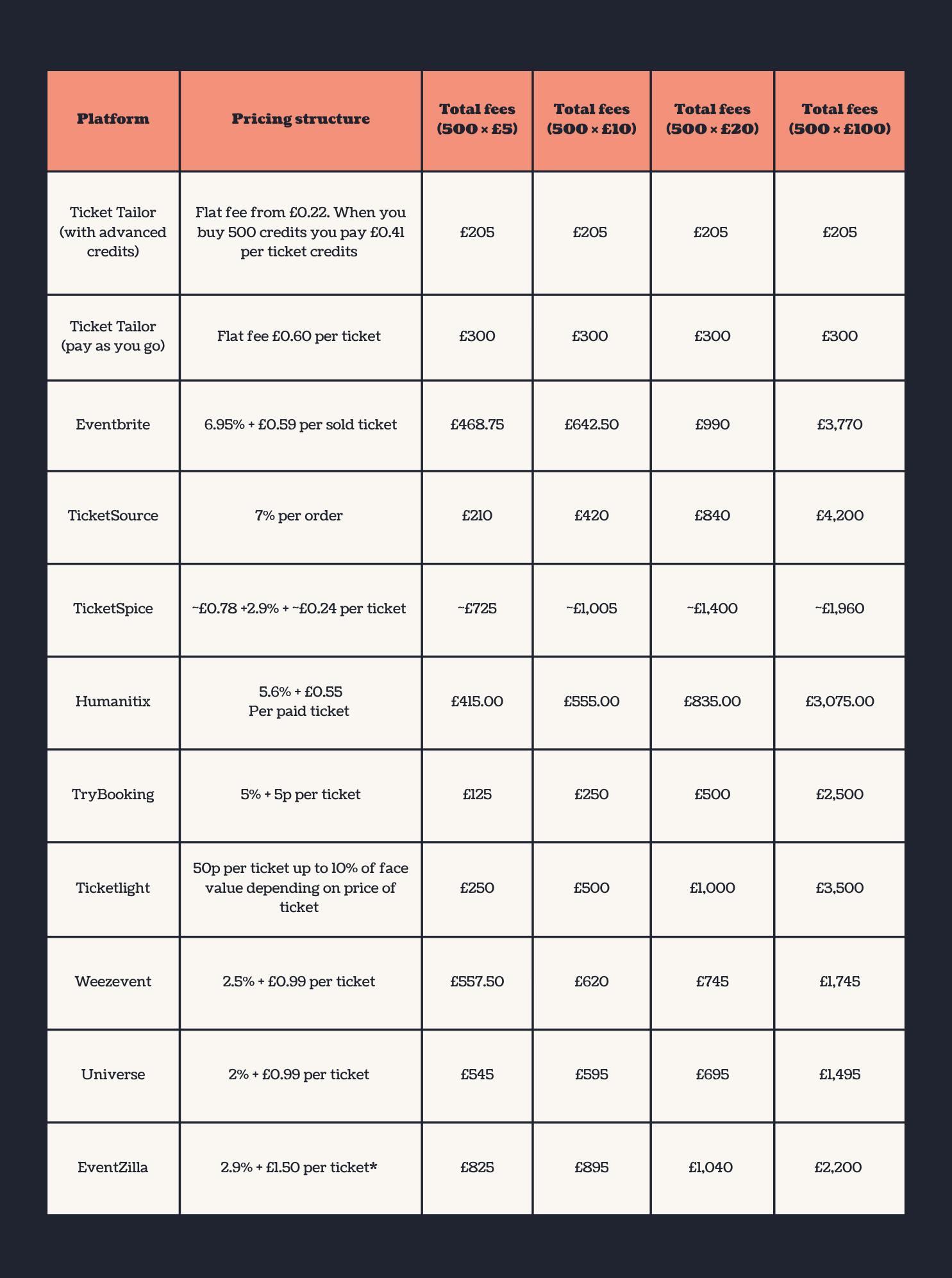
You’ll need an event registration platform to keep an eye on attendance (even if you plan on taking cash on the door).
Excuse the self-promo – but Ticket Tailor (hi! 👋) is the lowest-cost ticketing platform around, with simple, flat-fee pricing and zero hidden costs. Our platform is super easy to use, with features designed to make running recurring classes simple – and we offer speedy 24/7 customer support for all users.
💡Tip: Ticket Tailor lets you set up recurring events, so you don’t need to set up a brand new event for every class. Phew.
Promoting your fitness classes
Getting the word out about your new classes is key to building momentum. Start by making it easy for people to discover you: create a simple website or event page and set up social media profiles. Share clear details about what you offer, when your classes run, and how people can join. Consistency is key – regular posting and reminders go a long way when it comes to keeping your classes front-of-mind for potential clients.
It’s also worth tapping into local networks. Try posting in community Facebook groups, partnering with nearby businesses, or offering a discounted first class to encourage word-of-mouth. A few tried-and-true tactics include:
Sharing short demo videos or behind-the-scenes content
Encouraging clients to tag you in their posts
Creating a referral or loyalty reward
Listing your classes on local directories or event pages
💪 Run smoother classes with tools fitness instructors love
Phew! You should now feel armed with everything you need to get your fitness classes off the ground. From choosing a venue to setting your schedule and pricing, it’s all about finding the setup that works for you and your clients.
When you’re ready to start taking bookings, Ticket Tailor is trusted by fitness instructors around the world for its ease of use, industry-beating low fees, and brilliant recurring-events features that make weekly classes a breeze to manage.