Whether you’re an avid foodie, make your own produce, or simply like the idea of putting on a food festival for your local community – you’re in the right place.
Share
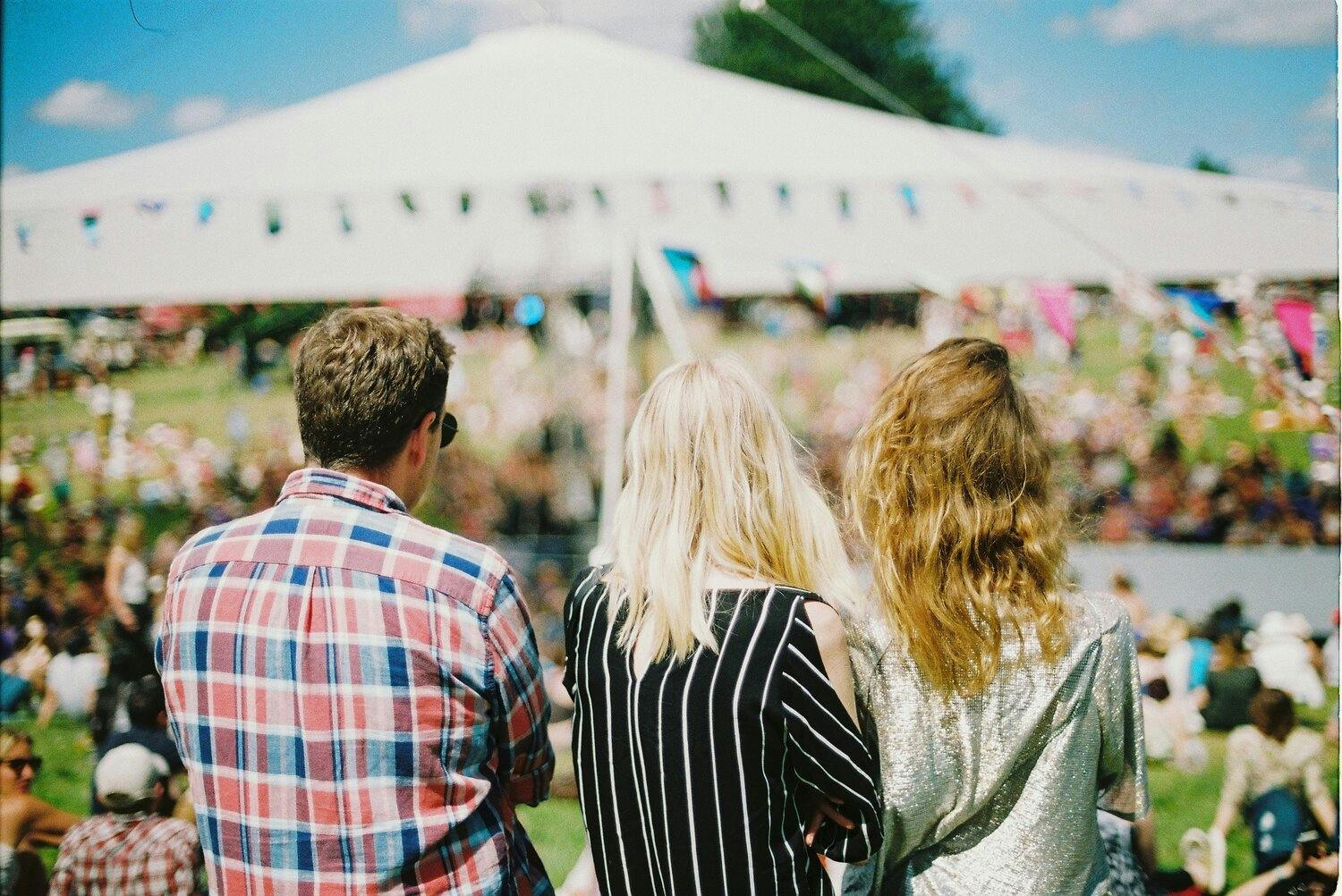
There’s something special about a great food festival: the smell of street food drifting across a busy crowd, long tables packed with people eating together, chefs shouting orders, live music in the background, and someone insisting you try “the best tacos you’ll ever have”.
Whether you’re planning a food truck festival, a community food fair, a street food market, or a large-scale food and drink festival, this guide is for you. In it, we cover how to plan a food and drink festival from start to finish, including setting clear goals, choosing the right vendors, building a realistic budget, and creating an event people will want to come back to year after year.
We also draw on some useful insights throughout the guide from seasoned food and drink festival organizers. Let’s go 🌮.
Before you start: Is a food festival right for you?
Before you book vendors or start designing posters, it’s important to do a bit of groundwork to define your key goals, concept, and target audience.
💬Expert insight
“Start early; things always take longer than you expect. Our planning normally starts in March for an October event, although we book the venue a year ahead.” — Steve, Cheltenham Wine Festival
Define your festival concept and goals
Start with your main reason for running the event. Are you bringing the local community together? Driving tourism to your town? Raising money for charity? Supporting independent food businesses? Launching a new brand? Or building a commercial event designed to generate profit?
This key goal will shape every decision you make throughout the planning process. Write your goal down and keep coming back to it.
It also helps to define success early. Is it 5,000 visitors through the gate? A fundraising target? Press coverage? Happy vendors who want to return next year?
Know your audience
Get clear on exactly who your audience is before any real planning starts. Use surveys and social media polls to figure out what they really want and need from a festival like yours. And take a look through the reviews of similar festivals to get an idea of recurring pain points.
For example, families might care about seating, kids’ activities, and affordable pricing. While foodies may be disappointed if vendors aren’t of a high enough quality or exciting enough.
💬Expert insight
“We’ve learned it’s important to be very clear that this is an English WINE and Food Festival rather than a FOOD and Wine Festival… We tried to meet the needs of too many people this year.” — Denise, English Wine and Food Festival
Choose your food festival format and vibe
“Food festival” covers a huge range of events, so choosing the right format early saves a lot of headaches later.
Common formats include:
Food truck festivals with mobile traders and street food vendors
Street food festivals with pop-up stalls and live entertainment
Wine and food festivals focused on tastings and premium experiences
Craft beer and food events built around breweries and local drinks producers
Cultural cuisine festivals celebrating specific regions or communities
Farm-to-table festivals showcasing local growers and producers
Seasonal events like Christmas markets or summer food fairs
Night market food festivals with evening trading and a brilliant social atmosphere
The more you hone your concept and the overarching vibe of the event you want to create, the much easier it’ll be to make important planning decisions.
💬Expert insight
“We’ve learned to select a venue that reflects the type of customer we want to attract, for example, a vineyard rather than a farm shop that happens to have a vineyard. Next year, we’ll go for a limited entry strategy at a more intimate vineyard venue and charge more to attract the right customer.” — Denise, English Wine and Food Festival
Step 1: Build your food festival events proposal
Time to get your plan on paper. Your food festival events proposal turns “we should do this” into something people can actually support.
It helps you stay organised, and it gives councils, sponsors, investors, and partners confidence that the event is realistic.
What to include
Keep it simple but clear.
Include:
Your festival concept and audience
Goals and KPIs
Estimated attendance
Budget overview
Revenue model
Venue requirements
Vendor strategy
Sponsorship opportunities
Marketing plan
Risk management approach
Getting stakeholder buy-in
Most festivals need support from other people before they can happen, whether that’s from the local council, sponsors or landowners.
Ultimately, everyone is asking the same question: Why should I support this event?
Think of your proposal like a concise but persuasive answer to that question. Councils want to see community value and thorough safety planning, while investors will focus on budget and profitability. Sponsors want to know who your audience is and what they get in return. Landowners need reassurance around logistics and insurance. It’s all about clearly outlining the benefits of supporting your festival, while alleviating any worries.
[Linking opp for future guide to creating a proposal]
Step 2: Create your budget and revenue plan
A food festival can look packed and still lose money. In other words, great attendance doesn’t automatically mean a healthy event, especially when infrastructure, staffing, and last-minute fixes start adding up.
Which is why it’s crucial to build your budget early, and be honest with it.
Common food festival costs
Essentials usually include:
Venue hire
Licenses and permits
Insurance
Security
Staffing
Toilets and sanitation
Power, generators, and utilities
Infrastructure like fencing, staging, lighting, and seating
Entertainment and performers
Marketing and advertising
Ticketing costs
Waste management and cleaning
Signage and printed materials
Build contingency into your budget too. Weather, supplier issues, and last-minute surprises are part of event life.
💬Expert insight
“We order 300kg of ice for just under 500 attendees… if it is a warm day it is amazing how much you get through.” — Steve, Cheltenham Wine Festival
Revenue streams
Ticket sales are usually your main income source, but relying on tickets alone is risky. Most successful festivals build revenue from several places:
General admission tickets
VIP tickets and premium access
Early bird sales
Vendor pitch fees
Sponsorships
Brand activations
Merchandise
Workshops and tastings
Add-ons like drinks packages or reserved seating
Sponsorship income and vendor fees help protect your event in case attendee numbers don’t quite pan out as expected; say, if a particularly bad-weather weekend curtails last-minute sales.
How to price food festival tickets
Pricing entry to any type of event can feel tricky, but there are ways to ensure your tickets sit in the sweet spot between affordable for your audience and profitable for you.
Start with your break-even point. What does the event need to make before it becomes sustainable? Then look at your audience, your location, and what similar events nearby are charging.
Ticket types you might consider include:
Early bird tickets (limited number at X cost)
Standard general admission
VIP upgrades
Family or group bundles
Timed entry tickets
Timed entry is especially useful for food festivals as it helps spread arrivals, reduces queues, and improves the guest experience.
“This year, we offered an ‘entry only’ ticket at £5 for non-drinkers and designated drivers, and an ‘entry + wine tastings ticket’ at £15 for the rest. We’re unlikely to do this again since we sold far too many ‘entry only’ tickets on the day despite some vigorous upselling at the gate!”
— Denise, English Wine and Food Festival
Step 3: Find the right venue and date
Your venue and event date affect almost everything, from ticket sales to vendor applications, supplier costs, and the overall guest experience.
Choose the right date
Before confirming your date, check what else is happening locally and nationally. Competing festivals, bank holidays, major sporting events, and school holidays can all affect attendance.
Supplier demand matters too. If your event lands on the same weekend as a major event nearby, essentials become harder to book, and much more expensive.
💬 Expert insight
“[Our last festival took place on] Glastonbury weekend so we paid top price for toilets and generators from local suppliers.”
— Denise, English Wine and Food Festival
Sometimes moving your event by one weekend protects both your budget and your ticket sales.
What makes a great venue?
A great venue is one that meets all your practical needs while also reflecting the personality of your event. Most importantly, it’s one that appeals to your target audience from both a practicality and enjoyment point of view.
When you begin your search, start with the basics: capacity, accessibility, parking, and public transport.
Then look at infrastructure. Food festivals need reliable power, water access, waste facilities, toilet provision, and space for vendors to operate safely. For outdoor venues, weather backup matters too, whether that’s shelter, covered seating, or a clear wet-weather plan.
Licensing suitability is another early check. Some venues look perfect until you realize alcohol sales, live music, or street trading permissions are far more complicated than expected.
If you’re relying on walk-in visitors, footfall becomes especially important. Town centers, parks, and well-known public spaces can make marketing much easier.
Plan your site layout
Site layout directly affects queue times, dwell time, and how much people spend. So it’s important to map how guests will move between vendors, bars, seating areas, and exits. Make space for family zones, first aid, and clear emergency access routes.
And be sure to walk the site as if you were attending for the first time. You’ll find that confusing layouts and potential sticking points show up quickly.
Step 4: Licenses, permits, insurance and compliance
Time for a bit of unglamorous but necessary admin. Requirements around licensing and permits will vary depending on your location, venue, and event format, so check with your local authority early.
Licenses you may need
Most festivals need some combination of:
Temporary Event Notice (TEN)
Alcohol license
Premises license
Street trading license
Music and entertainment licenses
Local council permissions
Road closure permissions if needed
Do not assume vendors will cover everything themselves. Get clear on who is responsible for what.
Food safety requirements
Your vendors may cook the food, but attendees will still associate the experience with your event.
Ask traders for:
Food hygiene ratings
Food safety certificates
Allergen information
Proof they meet local trading regulations
Plan handwashing facilities properly, especially for outdoor events and food truck festivals.
Clear allergen signage matters. So does waste management; overflowing bins next to seating areas are a big no for obvious reasons!
Insurance essentials
At minimum, most festivals need public liability insurance. If you employ staff, employer’s liability insurance is usually required too.
You may also need:
Cancellation cover
Weather cover
Equipment insurance
Think about what could realistically go wrong and protect against it.
Step 5: Recruit great food vendors
It can be tempting to say yes to every vendor who applies, especially when you’re trying to cover costs early. But a packed trader list doesn’t automatically create a better festival.
What to consider when sourcing food vendors
Start by looking for vendors that bring the right mix of quality, variety, and reliability. Focus on:
Quality over quantity: A smaller lineup of excellent traders creates a better experience than rows of average ones. If the food disappoints, people remember your event, not just the vendor.
Variety and balance: Mix cuisines, price points, dietary options, and service styles. You want guests choosing between great options, not five identical burger vans.
Local vs national traders: Big names can help with marketing, but local independents often get a higher level of community support and give your festival more personality.
Audience fit: Family festivals need quick service and affordable favorites. Premium food and drink festivals may suit specialist producers, tasting menus, and higher-end presentation.
Visual appeal: Well-presented trucks, stalls, and bars shape the atmosphere of the whole event. People absolutely notice the difference.
Reliability and professionalism: Vendors who are easy to work with save a huge amount of stress later.
Vendor applications and contracts
Ask for the basics early:
Menus and pricing
Food hygiene ratings
Insurance documents
Licensing where needed
Power requirements
Setup details
Previous event experience
Photos of stall setups help too, as this avoids surprises like discovering six traders all need industrial-level power three weeks before opening.
Once vendors are confirmed, it’s time to sort contracts. These should cover:
Pitch fees
Payment terms
Setup and arrival times
Operating hours
Cancellation policies
Waste expectations
Licensing responsibilities
Bad weather scenarios
Build long-term relationships
Happy vendors are one of your best marketing tools for next year. Good communication, smooth logistics, and fair curation make people want to return.
💬Expert insight
“We took the decision not to have national retailers as exhibitors, as we felt that this would undermine the offerings of the more ‘boutique’ suppliers who do exhibit with us. I don’t think that we adopted a policy to do this but it came naturally to try to ensure that the exhibitors are happy and have what they need. Ultimately, we’re looking to build a long-term relationship with them.”
— Steve, Cheltenham Wine Festival
Step 6: Plan entertainment and experiences
The longer people stay, the more they spend, the more they share online, and the more likely they are to come back next year.
Ideas to deliver a more enriching experience include:
Live music to create atmosphere and keep quieter periods feeling busy
Chef demos that give food lovers something extra beyond the vendor lineup
Tastings and workshops like wine pairings, cocktail classes, or baking sessions
Competitions like chilli-eating contests, bake-offs, or vendor awards
Kids’ activities so families stay longer and spend more comfortably
Cultural performances that bring themed festivals to life
VIP experiences like reserved seating, private tastings, and premium lounges
Step 7: Build your food festival website or event page
Your website or event page is where a lot of ticket-buying decisions happen. People check the lineup, compare ticket options, and decide whether the event feels worth booking. If key information is missing, they often delay… and delay can often mean they never end up booking.
What every food festival website or event page needs
Whether you create a dedicated website for your event or use a dedicated event page via your ticketing provider, visitors should be able to answer three questions quickly: what is this, where is it, and how do I book?
Make sure to include:
Dates and times: Opening hours, session times, last entry, and whether tickets are for one day or the full weekend
Vendor highlights: Featured traders, breweries, chefs, workshops, or headline attractions
FAQs: Parking, dogs, refunds, payment methods, age restrictions, and what people can bring
Maps and directions: Parking options, nearest stations, shuttle services, and public transport details
Accessibility information: Step-free access, seating, accessible toilets, quiet spaces, and support available on-site
Social proof: Reviews, press mentions, testimonials, and photography from previous events
Clear booking buttons: Visible ticket links throughout the page so people do not need to search for checkout
💡Tip: If the same questions keep arriving in your email inbox or DMs, it’s a sign your website needs better answers.
Why your ticketing platform matters
When you’re juggling vendors, licensing, staffing, and 47 WhatsApp threads, your ticketing platform should not create more work.
It should help you:
Create multiple ticket types
Manage timed entry
Sell add-ons
Collect custom booking info
Check guests in quickly
Track sales in real time
Check attendees in smoothly on the day (preferably via a check-in app)
💡Tip: Ticket Tailor allows you to do all this and more 😎. Plus, organizers can build branded event pages that match the look and feel of the festival instead of sending buyers to a generic checkout page. This helps with trust and conversion, especially for higher-priced events.
Step 8: Market your food festival successfully
Food festivals need time to build momentum. People often plan weekends well in advance, especially if your event involves travel, group bookings, or family plans. For this reason, your marketing strategy should start early, build excitement gradually, and make it easy for people to commit while interest is high.
Start by thinking about your full campaign, not just launch day. Map out when tickets go live, when you’ll announce vendors, and which moments are most likely to drive bookings. This helps you avoid the common trap of putting everything out at once, then having little left to talk about closer to the event.
Create early momentum
Your first goal is simple: get people booking early. Early sales support cash flow and help vendor and sponsor conversations by creating visible proof that demand is there.
A few reliable ways to do this include:
Early bird tickets: A limited-time launch offer gives people a clear reason to book now rather than waiting.
Previous attendee emails: Give past visitors first access before your public launch, which often creates a strong first wave of sales.
Headline announcements: Popular traders, chefs, or special experiences can be excellent booking drivers, especially when they share your event with their own audiences.
Instead of releasing your full lineup at once, spread announcements over the course of a few weeks. This keeps your festival visible for longer and gives you more reasons to stay in front of potential attendees.
💬 Expert insight
“We like to start selling tickets in April and email previous attendees first, which normally generates a burst of early sales.”
— Steve, Cheltenham Wine Festival
Use local PR and partnerships
Food festivals always benefit from local visibility. Local newspapers, radio stations, tourism websites, and food publications can all help build awareness, especially if you give them a clear story to work with.
Think about what makes your event newsworthy:
Charity partnerships: Community impact gives people another reason to care
Guest chefs or special experiences: Exclusive elements make better headlines
Local business involvement: Showing how the festival supports the wider area helps attract wider backing
Schools, councils, sports clubs, and nearby businesses can also help spread the word without needing a large ad budget.
Build excitement on social media
Social media is a great tool for building anticipation over time. Your goal is to help people picture themselves at the festival and give them regular reasons to stay interested.
Focus your content around:
Behind-the-scenes updates: Share planning, setup, and preparation as the event takes shape
Vendor spotlights: Introduce traders gradually to keep excitement building
Short video content: Food, atmosphere, and live action are much easier to sell visually
Countdown moments: Early bird deadlines and final ticket pushes help create urgency
Email is especially valuable for repeat events because you already have an audience that knows and trusts your festival. It’s one of the best ways to drive early sales and keep people engaged right up to event day.
Use email for:
Early access: Give previous attendees priority booking before public launch
Key announcements: Share vendor reveals, headline acts, and special experiences
Deadline reminders: Early bird cut-offs and final ticket pushes work well by email
Practical information: Send travel details, timings, and important updates closer to the event
Event day is where all your planning comes together. If one thing’s certain, your festival will feel much calmer if you take some time to handle important details long before guests arrive. Most issues come from small gaps in preparation, so the goal is to make sure everyone knows what they are doing and the site is ready to run smoothly.
Brief your team properly
Your team shapes the guest experience just as much as the food does. That includes staff, security, bar teams, temporary crew, volunteers, and anyone helping behind the scenes.
Everyone should understand:
Their responsibilities: Make sure each person knows exactly what they are responsible for during the day
Site layout: People should know where key areas are, including entrances, exits, toilets, first aid, and vendor locations
Emergency procedures: Clear plans help everyone respond quickly and confidently if needed
Escalation points: Staff should know who to go to when problems need a quick decision
Customer service expectations: Friendly, consistent communication makes a huge difference to the guest experience
A short written briefing helps people stay confident and keeps information consistent across the team.
💬 Expert insight
“On the day of the event we have about 30 club members and their partners volunteering to help out with various tasks including checking tickets, handing out wrist-bands, tasting catalogues, tasting glasses, hemp bags and pens, selling raffle tickets, ensuring that exhibitors are kept supplied with ice and water and collecting glasses at the end of the session.”
— Steve, Cheltenham Wine Festival
Do a full site walkthrough and make final checks
Before guests arrive, walk through the full site and make sure everything is ready to go. This final check is your chance to spot small issues before they turn into bigger problems later in the day, when queues are building and the site is full.
Check that staff have been briefed and know where they need to be, vendors are fully set up and ready to serve, and your ticket scanning system is working smoothly before people start arriving. It is also worth checking busy areas like entrances and bars to make sure queue management, signage, and customer service points are clear and easy to navigate.
Make sure key contacts and emergency procedures are easy for the team to access, and confirm that any weather plans are ready if conditions change. A calm walk around the site in the morning can make a huge difference to how smoothly the rest of the day runs.
Prepare for common problems
A few operational problems show up at almost every food festival. Planning for them early makes event day much easier to manage.
Underestimating queues: Long waits at entry, bars, or popular food stalls affect spending and guest satisfaction quickly. Timed entry tickets, clear site flow, and enough staff at peak points help reduce this.
Poor infrastructure: Power, water access, waste collection, seating, and lighting all need proper planning. Food festivals put heavy pressure on temporary infrastructure, especially when multiple vendors are operating at once.
Lack of toilets: Too few toilets, poor cleaning, or badly placed facilities are remembered long after the event ends. Plan generously and make sure facilities are easy to find.
Bad signage: Guests should be able to find their way around without needing to ask. Clear signage reduces frustration and takes pressure off your staff.
Cashless and payment issues: Test Wi-Fi and signal strength early, check vendor payment setups, and have backup plans for card machine failures.
Step 10: Post-event follow-up and growth
Your festival is far from over when the last guest leaves! Post-event follow-up helps you understand what worked and what can be improved for an even smoother event next time round. It’s also the best time to strengthen relationships while the experience is still fresh in everyone’s mind.
Measure what mattered
Start by reviewing the results against the goals you set at the beginning. This gives you a clearer picture of what success looked like, beyond just ticket sales.
Look at:
Attendance vs capacity: Understand how well your ticketing and forecasting matched real demand
Revenue vs total costs: Review the full financial picture, including staffing, infrastructure, and supplier costs
Vendor satisfaction: Check whether traders felt supported and would return next time
Attendee feedback: Look for repeated comments around queues, pricing, satisfaction with the food and drink, and overall atmosphere
Marketing performance: Review social reach, email results, and which promotions drove the most bookings
Patterns matter more than one-off comments. If the same feedback appears several times, it is usually worth acting on.
Make next year easier
Once your food festival is over, save the information that will make future planning faster and less stressful.
Keep records of:
Supplier contacts: Reliable vendors and trusted contractors save time next year
Site plans: Layouts, power access, and operational notes are much easier to reuse than rebuild
Budgets and timelines: Real numbers help you plan more accurately for future events
Staffing notes: Knowing what worked well makes team planning much simpler
Lessons learned: Small operational details are often the most useful to remember
Thank your vendors, sponsors, volunteers, and attendees while the event is still fresh. A thoughtful follow-up helps build loyalty and gives next year’s festival a much stronger starting point.
Food Festival Planning FAQs
How much does it cost to run a food festival?
Costs vary hugely depending on size, location, and format. A small local food fair may cost a few thousand pounds, while a large multi-day food and drink festival can run into tens or hundreds of thousands. Venue hire, licenses, toilets, power, security, staffing, and infrastructure usually take the biggest share.
How far in advance should you plan a food festival?
Most organizers start planning at least six to twelve months in advance. Larger festivals may book venues a year ahead, especially for popular seasonal dates.
Do you need a license for a food truck festival?
Usually, yes. Common requirements include Temporary Event Notices (TENs), alcohol licenses, street trading permissions, entertainment licenses, and local council approvals.
How do food festivals make money?
Most festivals use multiple revenue streams: ticket sales, VIP upgrades, vendor fees, sponsorships, workshops, tastings, merchandise, parking, and paid brand activations.
What is the best ticketing platform for food festivals?
The best platform should support multiple ticket types, timed entry, add-ons, easy check-in, and robust reporting without high ticket fees. Ticket Tailor is loved by food and drink festival organizers thanks to our highly customizable event pages, free check-in app, and industry-beating low fees.