Boosting ticket sales | A breakdown of commonly used tactics
In this guide, we explore the most effective strategies for selling more tickets, as well as how to optimise your website or event page for conversion. We also include plenty of event-specific examples for boosting sales. Let's go.
Share
How do you sell more tickets to your event?
Good news – it doesn’t have to involve owning a gigantic budget and/or marketing degree.
Boosting ticket sales usually comes down to applying the right tactics at the right time, removing as much friction as possible, and keeping your event front-of-mind for the most purchase-ready people.
In this guide, we explore the most effective strategies for selling more tickets, as well as how to optimise your website or event page for conversion. We also include plenty of event-specific examples for boosting sales. Let's go.
When to start selling tickets to your events for maximum sales
When you start selling tickets to your event will depend on a few factors, like the size of the event, price of the tickets, and how well known your event is to potential attendees. As a rule of thumb, it’s best to start selling tickets as soon as you announce your event to capture early interest. But the real question is: when should that announcement take place?
While there’s no hard and fast rule, larger scale events – say, conferences with 300+ attendees – should give potential ticket buyers plenty of time to commit. That could be around six to 12 months before the event date.
Smaller, local or more casual events might have shorter booking windows. Whatever your type of event, always give yourself enough runway to build awareness and deploy tactics like early-bird pricing.
💡Tip: Did you know… the time of the month, day of the week, and even hour of the day that you choose to release tickets can all impact your sales? Find out more in our guide:
How to boost ticket sales for your events – 7 powerful tactics with examples
Selling more tickets to your event ultimately boils down to:
Encouraging on-the-fence buyers to close the sale
Removing friction and other barriers to make spontaneous sales more likely
Landing your event in front of the right eyes at the right time
The below commonly used tactics each tap into one or more of these themes.
Use scarcity tactics
Scarcity marketing is a tried and tested promotional tactic that involves instilling a healthy sense of FOMO in potential buyers. While most of us probably like to believe we’re too savvy to be caught out by the ol’ get-it-before-it’s-gone type promo, the reality (proven many times over) is that we do fall for it, time and time again. Which is why politely reminding potential ticket buyers that there are only a certain number of tickets left can translate into more sales.
This is where early bird pricing comes into its own. For example, claiming “There are only 50 tickets left at X price” is much more enticing than saying “There are 500 tickets left in total”.
Scarcity promo examples
Use a countdown timer on your website: For example, the amount of time until the current ticketing tier ends (and ticket prices go up).
Add limited-time bonuses: A free drink, exclusive merch, or bonus access for anyone who books before a set date.
Offer presale access: Give your email subscribers or community 24-hour early access before general sale to drive quick initial sales.
Prioritise making your checkout experience mobile-first
It’s likely that a large percentage of your ticket buyers will be purchasing on their phones, so it’s important that this is a fully seamless experience. That means using a ticketing platform with a mobile responsive design, and making sure that your website (if you have one) is mobile responsive, too.
💡Tip: In its basic form, mobile responsive means the web page adjusts to the size of whatever screen its being viewed on. But it also means that the experience of browsing and purchasing on mobile is seamless due to factors like minimal form fields, a clear pricing breakdown, and easy payment methods (e.g. Apple Pay and Google Pay).
Research shows that people are more likely to abandon their cart if the checkout process is too long, and that checkout issues contribute to billions of dollars of lost sales each year (ouch). So this is one step you definitely want to get right.
“Since we're in a tourist area, most of our customers purchase tickets on their mobile devices. Ticket Tailor delivers a smooth, polished experience that looks great and functions flawlessly on any screen, ensuring a hassle-free booking process for our guests.” – Chris Hester, Hester’s Theater of Magic
Run email marketing campaigns
Email marketing consistently ranks as one of the highest-performing marketing channels. In fact, recent industry reports show that email delivers an average return on investment of around $36–$42 for every $1 spent, outperforming most social media and paid advertising channels.
The reason email marketing has such powerful promo potential is that it involves reaching people who’ve already chosen to hear from you. Which means warmer leads, and a far greater chance of converting interest into ticket sales.
Email is particularly powerful for events because it allows you to:
Build anticipation over time
Create urgency around ticket tiers
Segment messaging (e.g. past attendees vs. new subscribers)
Nurture on-the-fence buyers with reminders and updates
A simple event email campaign might look like:
Announcement email
Early bird reminder
Lineup or speaker reveal
“Last tickets remaining” push
Final 48-hour reminder
Email marketing examples
Send early access links exclusively to subscribers
Segment past attendees and offer loyalty discounts
Share behind-the-scenes build-up content
Send reminder emails when pricing tiers are about to end
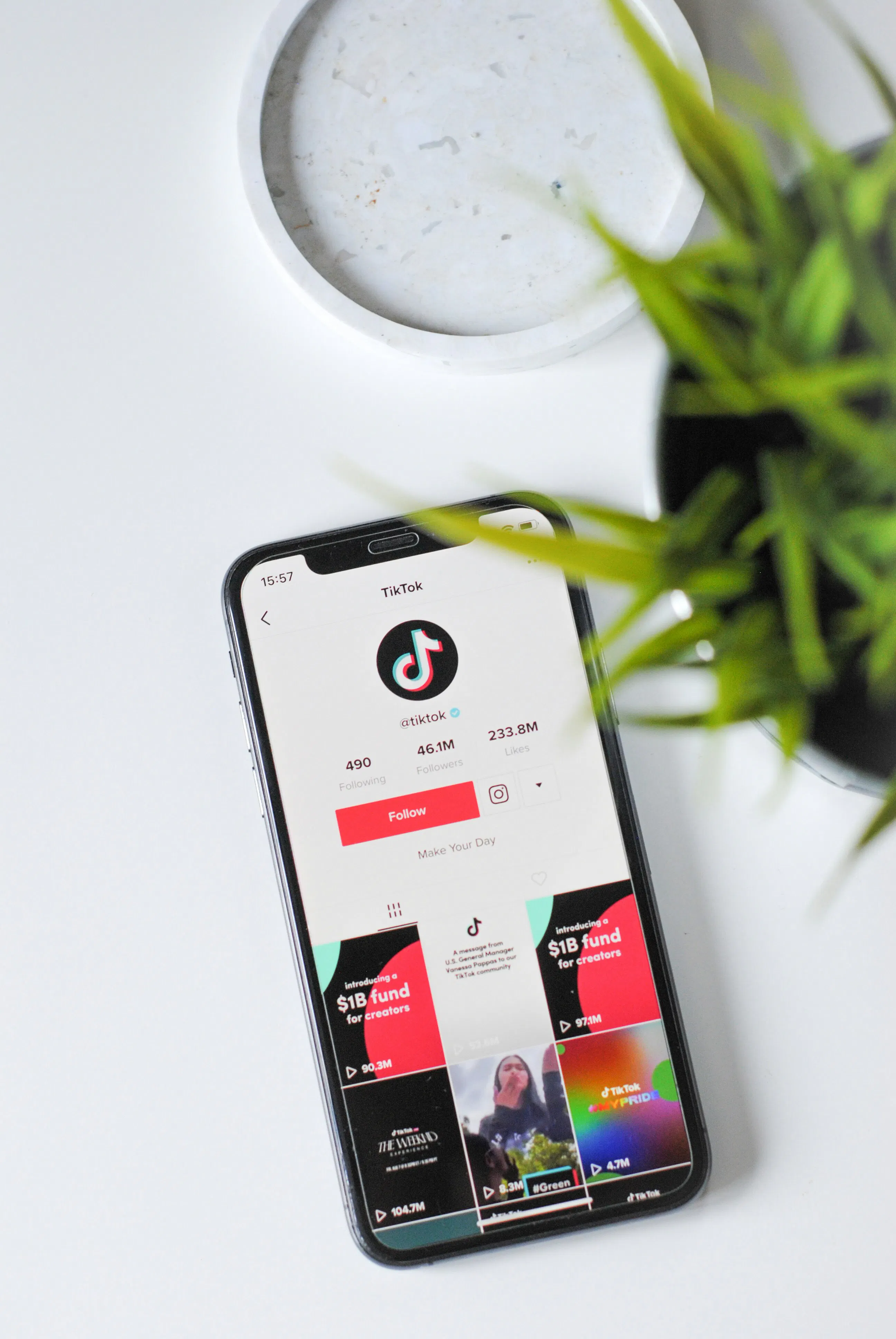
A growing proportion of consumers now use social platforms as search engines. Recent surveys show that more than 40% of Gen Z users prefer TikTok or Instagram over Google when discovering places to go and things to do.
Which means event creators can treat social media as a key tool for boosting ticket sales, rather than just growing a community.
Choose the two or three platforms where your audience genuinely spends time and commit to understanding how they work. Short-form video might dominate on TikTok and Reels. Carousel posts might perform better for educational or speaker-led events. LinkedIn might drive serious B2B conference sign-ups, while Instagram builds hype for festivals.
Post consistently, and aim to produce content that feels native to your platforms of choice, as this can help the algorithm favor your posts and land them in front of potential attendees.
Crucially, be as active as you can when it comes to engaging with your online community. Reply to comments, engage with those who tag you, and comment on the posts of your event’s performers or speakers.
Jumping on relevant trends can also amplify reach, whether that’s using a trending audio clip to showcase behind-the-scenes footage or participating in platform-native formats.
Finally, pairing organic content with paid ads can provide a helpful boost in reach. Retargeting people who’ve watched your videos or visited your event page can be a powerful way to boost sales in the final push before your event.
Social media promotion examples
Run a giveaway where entrants tag a friend they’d bring, expanding reach into warm networks.
Create a countdown series (“10 days to go…”) highlighting different aspects of the event.
Tease lineup or speaker announcements in stages to create repeat spikes of attention.
Retarget video viewers or website visitors with ads tied to pricing deadlines.
Post behind-the-scenes setup footage in the final week to build anticipation.
Collaborate with speakers or artists on joint posts to tap into their audiences.
Use geo-targeted ads for local events within a tight radius to reduce wasted spend.
💡Tip: We have a comprehensive guide on how on use TikTok to promote events, covering everything from content creation best practices to building an audience and running paid ads.
Set up a referral program
People trust recommendations from friends more than branded messaging. Setting up a referral program for your event is one way to tap into this dynamic. This involves offering an incentive to ticket buyers to encourage a friend to also buy a ticket. In return for taking part in the referral program, both the original ticket buyer and the person they “recruit” get a perk, like a free VIP upgrade.
For community-led events and student nights to niche conferences and festivals, referral mechanics can drive significant volume at a lower acquisition cost than paid advertising.
Early access to future events for successful referrers
Charity-linked referrals (e.g. “We’ll donate £2 for every friend you bring”)
How you go about implementing this will depend on how you’ve built or hosted your site. Platforms like Wordpress and Squarespace have plug-ins in their marketplace. If you’re hosting on a ticketing site like Ticket Tailor then you may want to consider specific referral tools like MentionMe or hacking one by assigning referral codes to your ticket buyers in a spreadsheet for example and sending them emails with it in.
Offer refund protection to reduce perceived risk
Refund protection is where ticket buyers can pay a small fee to have their ticket protected in case they can’t attend the event. This feature is usually provided through the ticketing platform you use. For example, Ticket Tailor partners with a third-party provider in offering refund protection as a feature for its users. So event creators can choose to offer this to their ticket buyers if they wish.
With the option of refund protection, purchasing tickets to pricier events can feel less risky, helping to encourage more cautious attendees to make the sale. In fact, around a fifth of ticket buyersdo choose to purchase refund protection when it’s offered.
Offer group discounts to increase order value and momentum
Bundled tickets and group discounts provide a way to incentivise potential attendees to close the sale. The idea is that, when attendees buy for a group rather than individually, they benefit from a discount.
For example:
Single ticket: £15
Group of four: £48 (£12 each)
This encourages ticket buyers to recruit friends and family at the point of ticket sale, acting as a natural boost to your figures. Essentially, it locks a higher number of attendees in earlier on, when the reality is that some of those attendees may have dipped out of the event if left to buy a ticket on their own.
Plus, not only are you incentivising larger bookings, you’re creating built-in word-of-mouth momentum. Nice.
Group discount examples
Family bundles
“Buy 4, get 1 free” offers
Corporate team packages
Student group pricing
VIP group tables
Encourage word-of-mouth marketing
Event creators tell us time and time again that word-of-mouth is their single biggest driver of ticket sales.
And it’s a powerful place to be; when your event is so good that the marketing starts to take care of itself.
But word-of-mouth doesn’t always happen automatically. Many attendees will go home and rave about your event to friends but simply might not think to leave a review or post about it online.
In this case, a small nudge can make a big difference.
Here are a few simple ways to actively encourage word-of-mouth:
Politely ask for reviews: Follow up shortly after the event while the experience is still fresh. Let attendees know exactly where you’d love them to leave a review (Google, Facebook, Trustpilot, etc.), and explain how much it helps independent event organizers like you. People are usually happy to support, but might just need reminding. Create a shareable identity: Set up a clear event hashtag and display it prominently on screens, signage, and post-event emails. Make sharing feel natural by designing moments people want to photograph – from immersive backdrops to theatrical cocktails.
Listen to your attendees: Make sure your events are packed with thoughtful details that really meet your ticket buyers’ wants and needs. Pay attention to any post-event feedback and work hard to act on this for your next event. The more satisfied attendees are, the more likely they’ll be to rave about your event.
“Because our events are designed for our customers, and often feature their favorite winemakers, word tends to spread quickly. A lot of our tickets sell out fast, purely through organic buzz and a loyal customer base who knows it’s going to be a great time.” – Dominique Blaxall, Naked Wines
Cater to your audience with flexible ticket types
Creating a number of different ticket types in lieu of just one standard entry ticket can provide potential attendees with the flexibility they need to make the sale. The more variety you can offer, the less barriers there are to people attending.
Take a classic festival example: offering both weekend passes and single-day tickets. A weekend ticket may be your highest-value offer, but a day pass captures those who can’t commit the time or cost. Without that option, those attendees might not convert at all.
The same principle applies across event formats. Some people want the premium experience while others just want access. Some can pay upfront and others need flexibility. When you structure your ticketing to reflect the different needs of your audience, you widen your conversion net without discounting your core offer.
There’s also a psychological effect at play. Tiered options create contrast, meaning a premium ticket can make your standard ticket feel more affordable. A low-cost entry tier can bring hesitant buyers into your ecosystem, where they’re more likely to upgrade next time.
Flexible ticket type examples
Here are some ways event creators use ticket variety strategically:
Early bird, standard, and final release tiers to reward early commitment
Single-day vs. multi-day passes for festivals or conferences
VIP or premium upgrades (priority seating, exclusive access, merch bundles)
Budget or “no-frills” tickets with fewer inclusions
Group bundles or family passes
Student or concession pricing
Payment plan options for higher-priced events (for example, using PayPal Pay Later)
Livestream or virtual access tickets alongside in-person entry
Flexible entry windows for timed attractions
How to optimise your event page or website to increase ticket sales
Any traffic you get to your website or event page is only valuable if it converts!
Thankfully, even small improvements to your homepage or event page can significantly increase the chance of a visitor becoming a ticket buyer. Let’s take a look. Be willing to be flexible and experiment with your home page - even small changes like the color of a button, logo you choose to feature or message you explain can make a difference you didn’t expect.
Lead with social proof
Testimonials, past event photography, and video footage all count as social proof, helping potential attendees gain the extra boost of confidence they need to commit to buying tickets.
Examples of social proof
Talking-head video testimonials
Featured reviews from external review platforms
Written quotes from past attendees
Short highlight reels showing crowd energy and key moments
Screenshots of social media posts from attendees
“As seen in” media mentions or press logos
Real-time ticket counters (“2,000+ attendees last year”)
Case studies showing measurable outcomes (for conferences or workshops)
Make your call-to-action obvious
Your “Buy tickets” button should be visible immediately, and repeated throughout longer pages. This creates a frictionless experience for those ready to make the sale. Remember, it doesn’t take much for a visitor to bounce off a web page, so you want to make things as easy as possible for them.
Examples of effective CTAs
Above-the-fold CTA
Sticky mobile CTA button
Clear contrast color
Reinforced CTAs near pricing sections
Simplify your checkout
Research into ecommerce behaviour shows that complicated checkout flows are among the top reasons for cart abandonment. The more steps and fields there are to navigate, the more likely someone is to drop off.
Examples of a simplified checkout
Minimal required form fields
Clear, upfront pricing (no surprise fees at the final step)
Fast loading speed
Mobile optimisation
Multiple trusted payment methods
No forced account creation
Creative ways to sell more tickets to different types of event
Not sure what the best ways to boost sales for your specific event type? Here’s a quick look at some common event genres, and the sales tactics that can work especially well for them.
Festivals & music events
Go big on energy and even bigger on anticipation (hello scarcity marketing 👋).
Tiered pricing with visible increases
Staged lineup announcements
Payment plans for higher-priced passes
Artist cross-promotion
Social contests for ticket giveaways
VIP or backstage add-ons
Workshops & classes
Focus on converting engaged audience members with tangible messaging.
Outcome-driven messaging (“Leave with your own finished…” )
Limited-capacity positioning
Instructor credibility highlights
Multi-session bundle discounts
Before-and-after examples
Alumni testimonials
Seasonal events & attractions
Value and convenience drive family bookings.
Early bird perks (queue jump, free parking) Free child tickets under a certain age
Bundle tickets with food or merchandise
Loyalty discounts for repeat visits
Off-peak pricing incentives
Sell more tickets with powerful integrations and tools
Boosting ticket sales requires a multi-pronged approach. Which means it’s essential to arm yourself with the right tools if you want to keep your extra admin-time to a minimum.
Ticket Tailor has a vast range of powerful ticketing features and marketing integrations designed to make event creators’ lives as easy as possible. From creating unlimited ticket types and ticket bundles to offering group discounts and refund protection we have every tool you need to encourage ticket sales. Plus, our platform allows you to create a super simple, customized checkout, and seamlessly integrate with your favorite marketing platforms.
Your questions about boosting ticket sales, answered
How do I sell tickets quickly?
To sell tickets quickly, focus on urgency and visibility. Launch with early bird pricing and use scarcity tactics like countdown timers or limited ticket tiers. Promote heavily to your email list first, then use targeted social ads to reach warm audiences fast.
How can I increase ticket sales for my event?
The best way to increase ticket sales is to focus on reducing friction and building trust. Optimise your event page for conversion through showcasing strong social proof and simplifying your checkout experience. And make use of impactful sales-boosting tactics like email marketing, referral incentives, and tiered pricing to capture different buyer types.
What is the best marketing strategy for selling event tickets?
The best event ticket marketing strategy combines email marketing, social media promotion, and scarcity-driven pricing. Email drives the highest ROI, social builds awareness and credibility, and structured pricing tiers create urgency that converts interest into sales.
When should I start selling tickets for an event?
When you start selling tickets will depend on the size and commitment level of your event. Large conferences and festivals benefit from going on sale 6–12 months in advance, while smaller local events may only need 4–8 weeks. The key is giving yourself enough runway to build anticipation and momentum.